for responsible salt use that reduces chloride pollution into our water.
Take Action. Protect Our Waters.
Even a small amount of chloride in our lakes, streams, and groundwater can harm plants and wildlife, corrode infrastructure, and threaten drinking water. By using salt wisely, we can help protect the freshwater we all depend on.
Responsible Salt Use
Once salt is applied, it does not disappear. Instead, it moves with melting snow and runoff into lakes, rivers, streams, and wetlands, where it can harm aquatic life and threaten water quality. Follow these tips to ensure responsible salt use that will protect our freshwater systems.
Want to show your dedication to protecting freshwater in your area? Make a pledge to reduce chloride pollution by using salt wisely at your home.
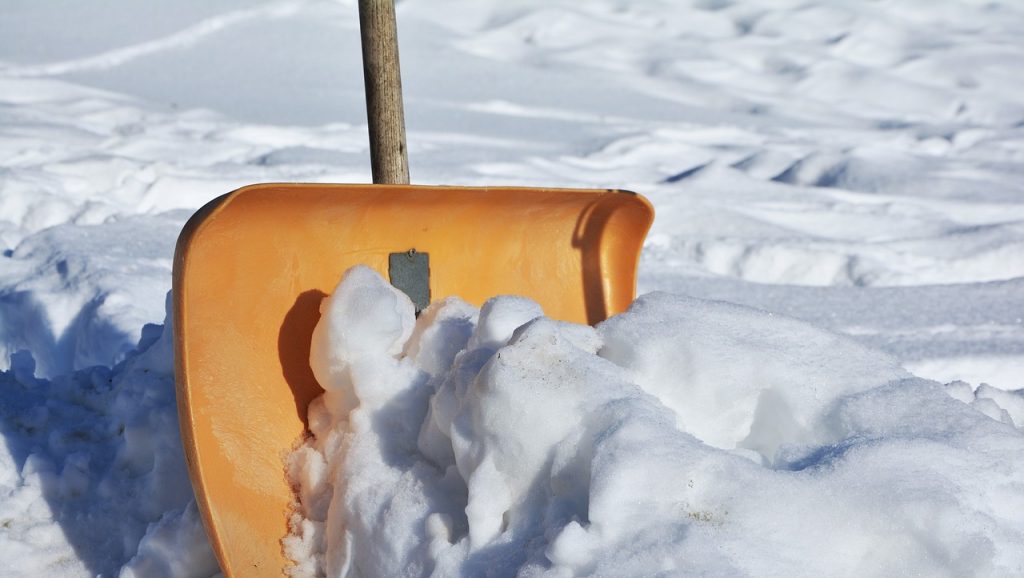
Clear walkways, driveways, and other paved areas before snow becomes compacted or turns to ice. The more snow you remove manually the less salt that you will need and the more effective salt will be when you use it.
SCATTER
More salt doesn’t mean better results.
Spread the crystals about 3 inches apart so they are spaced out rather than piled up. It is easy to apply more than needed. Remember, a 12-ounce cup of salt is enough to treat a 20-foot driveway or about 10 sidewalk squares.
SWITCH
Know when salt works, and when it doesn’t.
When pavement temperatures fall below 15oF, chloride-based salt becomes ineffective. At colder temperatures, switch to sand for traction or use an ice melter designed for low-temperature conditions.
SWEEP
Salt is effective, a little goes a long way.
Sweep up any unused salt and save it for next time. Reusing dry salt helps limit concrete damage and keeps excess chloride from washing into nearby streams, lakes, and groundwater.
SHARE
Help spread the word.
Talk to neighbors, coworkers, local businesses, and community leaders about smart salting practices. By sharing information and modeling responsible salt use, we can shift norms and protect freshwater together.
More Tips
Choose informed winter maintenance professionals.
When hiring a winter maintenance provider, ask about best practices that reduce salt use while maintaining safety. Look for professionals who prioritize plowing and shoveling before salting, apply salt at appropriate rates and temperatures, utilize environmentally-friendly salt alternatives when appropriate, calibrate and clean their equipment, and properly store salt. These approaches help protect infrastructure, reduce costs, and prevent unnecessary salt from entering local waterways.
Know how to drive safely in winter weather.
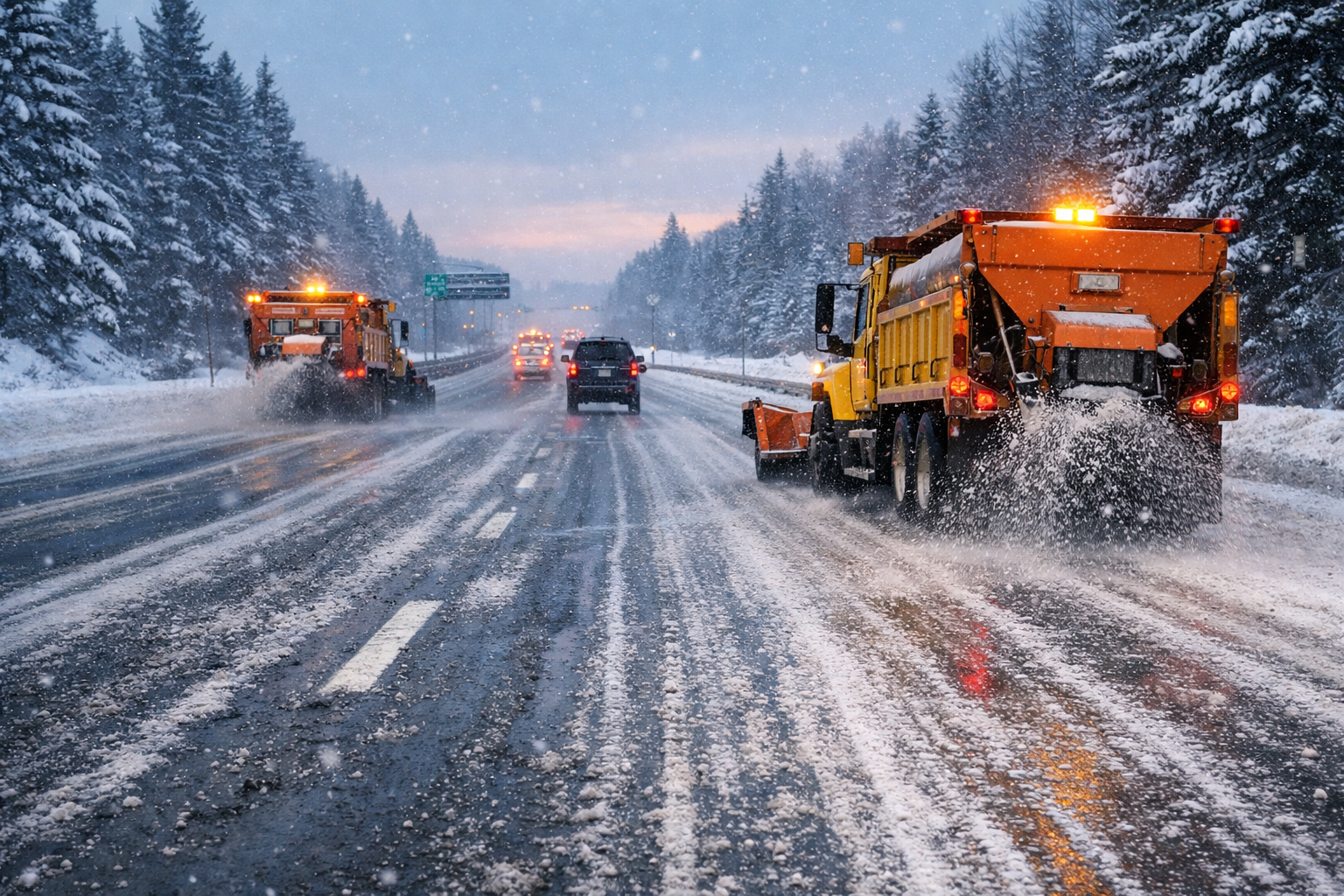
Using less salt may mean that roads won’t always be perfectly clear, so plan for slower speeds and longer stopping distances and adjust your expectations. Staying off roads during storms helps plow crews clear snow faster, keeping everyone safer.
Know where salt hides in your home.
Water softeners use salt to remove hard minerals but release salty wastewater that eventually reaches local lakes, rivers, and groundwater. Taking a quick Water Softener Self-Diagnostic will help you see if your system is running efficiently.